In brief
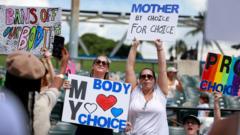
As Floridians head to the polls on Tuesday, many are turning their attention to a critical measure on the ballot concerning abortion access. Amendment 4 seeks to overturn the controversial six-week ban implemented in May, which has sparked significant debate and mobilized activists across the state. For 18-year-old Betsy Linkhorst, this marks her first opportunity to vote on an issue she feels passionate about. She intends to support the amendment, emphasizing that decisions about women’s bodies should not be dictated by the government.
Florida stands out as one of 10 states nationwide with abortion measures up for consideration in this election. Polls indicate that a majority of voters may be in favor of Amendment 4; however, attaining the necessary 60% vote threshold is uncertain in a predominantly conservative state. If successful, this measure could significantly impact the accessibility of abortion services, expanding them to the point of fetal viability, approximately 24 weeks into a pregnancy.Amendment 4’s outcome could reflect broader national trends in the abortion rights movement, particularly following the US Supreme Court's decision to overturn Roe v. Wade. Since this ruling, many states have enacted stricter abortion bans, with Florida's six-week limit being one of the most stringent. Voters in conservative states like Kentucky and Kansas have previously indicated a preference for maintaining or expanding abortion access, underscoring a complex public sentiment on this divisive issue.Key political figures, including Florida's Governor Ron DeSantis, have mobilized against the amendment, arguing it could allow minors to obtain abortions without parental consent and labeling Florida as a potential “radical” jurisdiction for abortion rights. Conversely, figures like Republican nominee Donald Trump have fluctuated in their stance, reflecting the contentious nature of this topic as they navigate a divided electorate.As voters like Nancy Collins, who oppose the amendment due to religious convictions, balanced with others like Jonel Jones, who seek to protect women's health, the outcome of this election in Florida could have significant implications for both state and national politics. The stakes are high, not only for abortion rights but for the direction of voter sentiment in future elections.With a notable spotlight on Florida, the results of Amendment 4 will not only influence local policy but may also sway the broader political landscape as both sides aim to energize their respective bases for the upcoming presidential race. Floridians are poised to make their voices heard, ushering in what could be a transformative moment in the national discussion surrounding reproductive rights.