
In brief
SpaceX's ambitious Starship program takes a hit as the rocket's upper stage exploded post-launch, leading to a grounding order by the FAA while investigations commence into safety protocols.
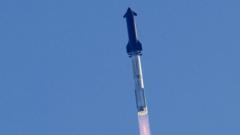
In a significant setback for SpaceX, the US Federal Aviation Administration (FAA) has grounded the company's colossal Starship rocket following its latest test flight, which ended in an explosion. The incident occurred shortly after the rocket, launched from Texas, broke apart in mid-air over the Caribbean, causing alarm and prompting nearby airline flights to adjust their paths to evade debris.On Thursday, the Starship's upper stage disintegrated after separation from the Super Heavy booster, which had successfully returned to its launchpad approximately seven minutes after takeoff. Fortunately, there were no injuries reported as a result of falling debris, though the FAA activated a "debris response area" to reroute aircraft and minimize risks.As investigation efforts unfold, the FAA is collaborating with SpaceX and local authorities to assess any damage to public property, particularly concerning the Turks and Caicos Islands. SpaceX is mandated to conduct an internal "mishap" investigation, the findings of which will play a crucial role in determining when the Starship can resume flights.The Starship, hailed as the most powerful rocket ever constructed, is vital for Elon Musk’s ambitions to settle Mars. This test marked the seventh attempt for Starship, but it was notable for being the first flight using an enhanced model that stood two meters taller than its predecessors. Before the malfunction, SpaceX had asserted that the upgraded vessel featured significant technological improvements.Elon Musk took to X, formerly known as Twitter, expressing that initial reports hint at an "oxygen/fuel leak in the cavity above the ship engine firewall" as the potential cause of the explosion. Despite the mishap, Musk indicated no indications suggested a delay in their planned launch schedule for next month.The spacecraft stands at a remarkable 123 meters tall and is designed to be fully reusable, with NASA planning to adapt versions of Starship for lunar missions under the Artemis program. As competition in the aerospace sector heats up, highlighted by the recent success of Jeff Bezos' Blue Origin with its New Glenn rocket initiative, SpaceX continues to strive for dominance in the commercial space vehicle market.
