In brief
In a distressing account, Mohammed Skayki narrates the harrowing moment his daughter Ivana, just two years old, sustained third-degree burns from an Israeli airstrike in southern Lebanon. As the war intensifies, the local health system crumbles, leaving families like Skayki's to grapple with trauma and loss amidst an unending cycle of violence.
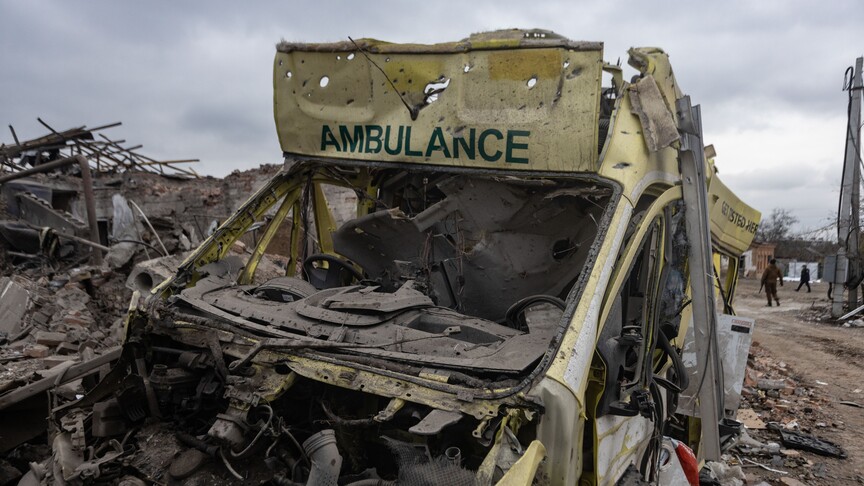
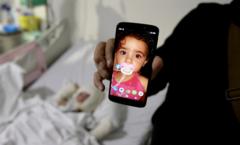
In a heartbreaking story that echoes across the frontlines of conflict, a Lebanese father shares the traumatic moment his toddler daughter, Ivana, was critically injured in an Israeli missile attack. The incident occurred as Ivana's family was preparing to evacuate their home in Deir Qanoun En Nahr, southern Lebanon, during a major assault on the region by Israeli forces.It was midday on September 23rd when the family decided to leave. Despite the airstrikes that rattled their home, there had been no formal evacuation directive from the Israeli military. "We were ready to move, we had our stuff packed," Mohammed Skayki recalls, as the earth shook violently around them. "The strike was close, around 10 metres from our house." The chaos of war unfolded instantaneously—the noise of explosions, the sight of dust and debris, and tragically, the screams of his young daughters.The terrifying moment escalated as Mohammed rushed to save Ivana, who was left “all black” with missile debris. The family could only grab their phones and a small amount of cash before fleeing. Tragically, Ivana suffered severe burns covering nearly half of her body, particularly on her head and arms, while her seven-year-old sister Rahaf experienced less serious injuries and has since been discharged to stay with relatives.Photographs of Ivana, with bright eyes and curly hair, now stand in stark contrast to her current state, where medical staff at Geitaoui Hospital in Beirut work tirelessly to tend to her third-degree burns. She lies in bed, her pain evident despite her attempts to remain calm. Dr. Ziad Sleiman, one of the plastic surgeons attending to Ivana, speaks of her resilience. "She's so brave, so strong," he remarks, noting the bond that has formed as they treat her.Unfortunately, Ivana's situation reflects a broader crisis in Lebanon, where the healthcare system is under siege amidst the ongoing conflict. The World Health Organization has reported numerous attacks on hospitals and medical personnel, exacerbating an already fragile medical infrastructure. The toll of violence has reached shocking levels, with reports of civilians—many of whom are women and children—suffering grievous injuries.As the war persists, health workers like Dr. Sleiman are experiencing immense emotional and professional strain. "Every day we are receiving phone calls to transfer patients," he indicates, struggling against a backdrop of increasing need and dwindling resources. The humanitarian implications grow graver, particularly for children like Ivana, as the conflict shows no signs of resolution.Before leaving the hospital, Mohammed offered a poignant reflection on the tragedy that has befallen his family. "These are children, a baby," he said, expressing disillusionment with a world that targets innocent lives. He contemplates his helplessness, saying, "I don’t want to be a murderer like them."Despite the bleak circumstances, hope lingers in the medical team's efforts. Ivana is scheduled for discharge in about ten days following a skin graft from her lower limbs, yet her family's displacement from their home persists. Dr. Sleiman worries that there will be many more victims like Ivana in this unyielding conflict. "There's no war that ends with a winner," he concludes. "Every war ends with so many losers. Everybody will lose."