
In brief
Climate change has forced the Guna community of Gardi Sugdub, Panama, to abandon their island home for Isberyala, a new settlement on the mainland. While some embrace the opportunity for better living conditions, others mourn the loss of their traditional lifestyle and community ties, highlighting the emotional toll of climate displacement.
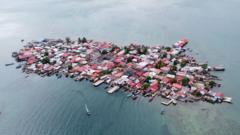
In the shadow of climate change, the Guna community in Panama finds itself grappling with a profound loss as they relocate from the sinking island of Gardi Sugdub. “If the island sinks, I will sink with it,” reflects Delfino Davies, who manages a small museum preserving the history of his people. The once vibrant sounds of children playing and neighborly banter have faded, leaving an eerie silence in their wake.The government of Panama has recognized the “imminent risk” posed by rising sea levels, predicting that Gardi Sugdub could become unlivable by 2050. Rising sea levels are a result of climate change, which scientists warn is a threat to millions of coastal inhabitants globally. Having lived on the island since the 19th Century, the Guna now confront forced migration due to environmental changes that threaten their existence.In June 2024, most of the community departed their cramped wooden and tin homes for new prefabricated houses in Isberyala. About 1,000 residents made the move, leaving an estimated 100 behind due to overcrowding or disbelief in the futility of climate change. “The essence of our culture is on the islands,” adds Delfino, illustrating the deep connection many feel to their ancestral land.The newly constructed settlement, Isberyala, is a stark contrast to the island's feel, featuring identical white and yellow homes amidst tarmacked roads. For many, the relocation brings bittersweet feelings. Magdalena Martínez, another resident, reflects on what she left behind—“pieces of my life”. Although Isberyala has better facilities, including access to water and electricity, the emotional price of leaving behind a lifetime of connections remains heavy.Despite practical improvements, the transition has not been without struggles. There are reports of healthcare access issues with plans for a new hospital stalled due to funding. Residents are still reeling, as they navigate their new life while retaining the essence of Guna culture. Schools in the settlement aim to teach traditional music and dance, echoing the community's enduring spirit.As they settle into their new homes, the community leaders note the importance of preserving their heritage. “My identity and my culture aren’t going to change, it’s just the houses that have changed,” says Tito López, affirming their commitment to maintaining cultural practices. Yet, the bittersweet tang of nostalgia lingers in conversations about the life they’ve left behind.Global observers highlight the Guna's experience as a case study for other communities facing similar environmental challenges. Erica Bower from Human Rights Watch underscores the need to learn from such early cases of climate displacement, suggesting that understanding the successes and challenges faced by the Guna can inform future efforts worldwide.Ultimately, while the Guna continue to adapt to changing circumstances, the emotional scars of leaving a home that defined their identity remain. In the words of Magdalena, “I wish we were all here.” With surging seas threatening communities across the planet, the Guna’s tale of resilience serves as a poignant reminder of the human cost of climate change.
