
In brief
A recent inquiry has determined that a malfunctioning radio antenna played a pivotal role in a catastrophic helicopter crash at a popular Australian theme park, resulting in the loss of four lives and severe injuries to multiple passengers.
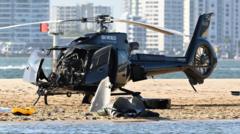
The mid-air collision occurred in January 2023 near Sea World on the Gold Coast, claiming the lives of four individuals, including two British tourists. The incident prompted an investigation by Australia's Transport and Safety Bureau (ATSB), which uncovered several systemic issues at the resort that may have contributed to the tragedy. At the time of the accident, one helicopter was preparing to take off while another was landing. The ATSB report noted that one of the pilots failed to receive a critical radio transmission due to a faulty antenna. This communication breakdown meant that the ground crew misinformed the departing helicopter pilot that the airspace was clear. Tragically, this information was outdated by the time the helicopter took off, leading to the collision.In the months prior to the crash, Sea World had initiated changes to enhance its aviation operations, including adding a second helipad and deploying larger helicopters. Unfortunately, these modifications inadvertently eroded previously established safety measures related to traffic separation. The investigation revealed that the aircraft about to take off had an ineffective antenna, which hampered the reception of a taxiing call from the incoming helicopter.The report highlighted the responsibility of pilots and operators to maintain a proactive approach to safety, particularly during transitions and operational changes. Among the fatalities were Diane Hughes, 57, and her husband Ron, 65, who were visiting from the UK. Their family described them as a lively couple with a love for adventure.The report’s findings serve as a stark reminder for the aviation industry, emphasizing that well-intentioned changes can have unintended consequences. ATSB Chief Commissioner Angus Mitchell reiterated the importance of thoroughly managing operational adjustments to maintain safety standards in aviation practices. As investigations continue, the aviation community is urged to reflect on these lessons to prevent similar incidents in the future.
