In brief
India has recently reduced import tariffs on motorcycles and various goods in response to Donald Trump's trade pressures, sparking discussions on the implications of these reforms for future U.S.-India relations. Analysts suggest that despite India's strategic moves, potential friction remains, especially regarding agricultural trade.
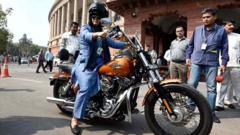
India is navigating a tense economic landscape as former President Donald Trump reasserts his trade agenda, raising concerns about renewed tariff threats against the nation. Last week, in a proactive measure, India reduced import duties on motorcycles, slashing tariffs on heavyweight models with engines exceeding 1,600cc from 50% to 30%, and smaller bikes from 50% to 40%. This move aims to facilitate the entry of Harley-Davidsons into India's burgeoning market, while simultaneously attempting to stave off potential trade penalties from the U.S.As Trump takes office again, he has openly criticized high tariffs imposed by several countries, including India, which he previously labeled as a "tariff king" during his first term. His administration is reportedly looking for ways to balance trade relations, pushing Prime Minister Narendra Modi to purchase more American arms and engage in discussions about achieving a more equitable trade balance.Amid these pressures, trade analysts indicate India's proactive measures could be a step in the right direction. Ajay Srivastava, founder of the Global Trade Research Institute, emphasized that the tariff reductions on motorcycles, along with other imports—such as satellite installations and various synthetic products—signal a shift that might enhance U.S. exports across different sectors.India has seen a robust trade surplus with the U.S., surpassing $190 billion in bilateral trade in 2023, with merchandise exports climbing significantly. However, the relationship is complicated; Trump's administration might still demand further concessions, particularly regarding agricultural exports. While India has rescinded certain retaliatory tariffs, key products like almonds and chickpeas may remain contentious.Past protections have left their mark on India's global trade presence; once a highly insulated economy, India has gradually opened its doors since the 1990s, reducing tariffs dramatically from 80% to 13% by 2008. Nevertheless, Modi's "Make in India" initiative has led to a resurgence in tariffs, rising to around 18% currently.Experts warn that India's commitment to certain policies might conflict with Trump's "America First" approach, which advocates for reciprocal trade practices. Yet, analysts point to India's existing strategic ties with the U.S., particularly through the Quad alliance intended to counter China's economic influence, as a possible mitigating factor amidst trade uncertainties.As India braces for future negotiations with the U.S., the forthcoming visit of Prime Minister Modi to the White House could provide further insights into the evolving dynamics of these critical trade relations.