
In brief
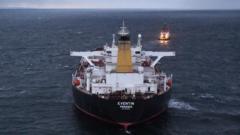
German maritime officials reported that a tanker lost power while drifting in the Baltic Sea, believed to be connected to Russia's "shadow fleet," which has been accused of bypassing Western sanctions imposed after the Ukraine invasion. The vessel, named Eventin and sailing under a Panamanian flag, faced difficulties at sea while carrying a significant oil cargo, provoking warnings from Berlin about potential threats to European security tied to the ongoing geopolitical conflict.
Germany's maritime agencies recently provided insights into the stranded Eventin, a Panama-flagged oil tanker reportedly part of Russia's so-called "shadow fleet." The tanker encountered power loss in German waters and has been subsequently identified as a Russian-owned vessel aimed at sidestepping the sanctions placed on the Kremlin's oil exports. German Foreign Minister Annalena Baerbock accused Moscow of exacerbating European security threats through this operational network of dilapidated tankers.This specific incident occurred as German authorities mobilized tugboats to secure the drifting tanker, which is substantial in size at nearly 274 meters long and carrying around 99,000 tonnes of oil. The CSME (Central Command for Maritime Emergencies) confirmed that specialists were airlifted onto the ship to facilitate towing operations after detecting no oil leaks despite the adverse weather conditions affecting the Baltic region.While naval efforts were underway to guide the Eventin to safety at the nearby island of Rügen, there has been a longstanding pattern of concern over Russian maritime activities in European waters. Germany has sorely criticized such actions, underscoring how they not only threaten environmental safety but also violate international maritime protocols.This incident follows an EU directive aimed at cracking down on the shadow fleet, which comprises aging vessels typically operating without proper insurance or adherence to maritime regulations. Countries such as the U.S. and U.K. have also intensified sanctions against Russia’s oil sector, targeting various shipping entities believed to facilitate oil exports through these obscure maritime operations.Gazprom Neft, one of the sanctioned Russian oil companies, condemned the measures as unfounded, while authorities, particularly in the U.S., reinforced the need for these sanctions in an effort to cripple funding for Russia's ongoing military endeavors in Ukraine. As tensions escalate, maritime authorities meticulously monitor situations akin to the Eventin incident, advocating for maritime security amid ongoing conflicts and diplomatic duress.The ongoing saga highlights the complexities of international trade and politics, revealing how maritime incidents can serve as reflections of broader global tensions related to economic sanctions and international security concerns.


