
In brief
Starting January 1, 2025, Romania and Bulgaria will join the Schengen Zone, enabling passport-free travel across many European countries. While this is a significant step for citizens, truck drivers face ongoing bureaucratic challenges at borders.
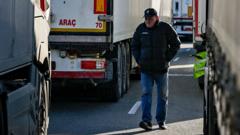
The long-anticipated entry of Romania and Bulgaria into the Schengen Zone is slated to begin on January 1, 2025, offering a passport-free travel experience similar to that enjoyed by most European Union nations. European Commission President Ursula von der Leyen expressed optimism over the development, calling it "a day of joy" for the 25 million citizens of Romania and Bulgaria who have been waiting for this moment since they joined the EU 17 years ago.The decision came after Austria removed its objections to ending border checks by land, a significant breakthrough following the lift of air and sea travel restrictions last March. However, while this development brings much-needed hope and relief to travelers, truck drivers remain burdened by lingering bureaucratic hurdles. Hungary, for example, plans to maintain thorough inspections for trucks crossing its borders for at least six more months, causing concerns for the logistics industry.The Schengen Zone, established in 1985, relies on mutual trust between member states to facilitate free movement. Many non-EU countries, like Norway and Switzerland, are also part of this zone. Yet, as Romania's road transport sector awaits these benefits, industry leaders like Radu Dinescu highlight the extensive inefficiencies and lengthy waits that truckers currently face. Estimates suggest Romanian road transport lost an astounding €19 billion from delays between 2012 to 2023.Even though private travelers will undoubtedly celebrate the elimination of border checks, delays could still persist due to random inspections. Dinescu noted that while cars and private individuals might find relief, truck inspections still involve various checks, hindering swift movement. The situation has led to concerns over investments, particularly when companies like BMW considered opening new facilities in Romania but opted for Hungary due to border delays.Despite these obstacles, some industry leaders express optimism regarding the future of transportation and trade. Philip Cox from Romania's largest wine exporter, Cramele Recas, is hopeful that reduced border controls will come to fruition quickly, potentially enhancing the competitiveness of Romanian products in Western markets.As Romania and Bulgaria integrate into the Schengen Zone, it represents both a significant advancement and a reminder of ongoing challenges that need to be addressed to fully realize the benefits of EU membership and cooperation.


