
In brief
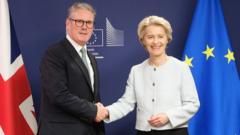
As 2025 approaches, the UK and EU are gearing up for a critical informal summit that could reshape their future relationship amidst geopolitical upheaval and internal economic pressures.
---With a fresh Labour government in power, UK Prime Minister Sir Keir Starmer is set to attend an informal summit of EU leaders in February 2025—the first invitation of its kind since the tumultuous Brexit negotiations. The upcoming meeting is primarily centered on enhancing security and defense cooperation in light of escalating global tensions, including ongoing conflicts in the Middle East and Eastern Europe, coupled with concerns about former President Donald Trump's potential return to the White House threatening transatlantic solidarity.This invitation comes at a time when both sides are recognizing their shared values, spotlighted by the UK's diminished global standing post-Brexit and the EU's loss of a key military ally. Mark Leonard, director of the European Council on Foreign Relations, emphasized the interdependence that exists between the UK government agenda and its relations with Europe, particularly concerning economy, defense, and migration.Labour has reiterated its ambition for an "ambitious reset" in EU-UK relations, marked by significant diplomatic engagements since taking office in the summer. Foreign Secretary David Lammy's attendance at EU Foreign Ministers meetings and Chancellor Rachel Reeves' address to EU finance ministers symbolizes this new approach aimed at re-establishing ties.However, as the UK prepares to negotiate, significant skepticism remains in Brussels regarding Labour's true intentions and what compromises they are prepared to make to achieve potential trade benefits. Insiders express a readiness for closer relations but caution that the UK may struggle to reconcile its ambitious objectives with its commitment to retaining strict post-Brexit rules.Though the forthcoming summit is expected to address cooperation on defense and security, which are perceived as easier topics to navigate, the implications for trade negotiations remain complicated. With the EU expressing limitations on economic gains due to the UK's refusal to rejoin the customs union or single market, and doubts about leveraging defense agreements for trade concessions, tangible progress may prove challenging.Both parties anticipate significant discussions about area-specific agreements, with a focus on aligning with EU standards to ease cross-Channel business operations. Labour plans to pursue agreements regarding youth mobility, professional qualifications, and potential fishing rights, strategies designed to foster better synergy with EU interests while navigating contentious migration issues.Meanwhile, a recent YouGov poll uncovers a stark contrast between public sentiment and governmental positions, revealing that UK citizens largely favor increased cooperation with the EU to boost the economy, enhance security, and manage migration effectively. This disconnect suggests that while governmental negotiations may proceed cautiously, there remains overwhelming public support for redefining UK-EU ties.In summary, as the EU and UK approach the potentially transformative events of 2025, they will need to navigate complex geopolitical landscapes, public expectations, and internal pressures to determine the future of their relationship, progressing past the historical ramifications of Brexit toward a more collaborative era.

