
In brief
The United Nations reports alarming increases in food prices and potential shortages of essential supplies in Gaza following Israel's decision to suspend humanitarian assistance amidst a tense ceasefire situation.
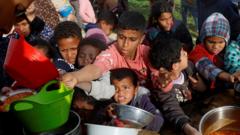
Food prices in Gaza have surged dramatically following Israel's recent decision to halt humanitarian aid, with reports indicating that flour and vegetable prices have more than doubled. As the UN Office for the Coordination of Humanitarian Affairs (OCHA) points out, if the blockade continues, many community kitchens may exhaust their supplies, jeopardizing food assistance for up to 500,000 residents.Israeli Prime Minister Benjamin Netanyahu cited Hamas's alleged theft of aid as justification for the blockade, while a Hamas spokesperson denounced the measure as "cheap blackmail." In response to the growing humanitarian crisis, the foreign ministers of France, Germany, and the UK issued a joint statement expressing grave concerns and labeling the situation in Gaza as "catastrophic." They emphasized that aid should not be used as a political tool or contingent on a ceasefire agreement.Since the ceasefire was first introduced on January 19, aid trucks had been entering Gaza regularly. However, eventually, accusations from Netanyahu’s office regarding Hamas misappropriating aid supplies led to the current blockade. OCHA warned that many community kitchens might soon reduce their meal outputs or face shortages, alongside significant reductions in food rations.Residents have reported experiencing immediate price hikes, with some staples seeing price increases of over 100%. One individual recounted the price of a kilogram of tomatoes skyrocketing from five to ten shekels overnight, exacerbating the challenges faced by families already struggling financially. Many residents also reported a lack of cash liquidity, further complicating their ability to afford food.Merchants expressed frustration over rising prices driven by the halted aid, stating they have no choice but to increase prices due to higher wholesale costs. Doctors Without Borders (MSF) spokeswoman Caroline Seguin criticized the situation, calling it unacceptable and outrageous, warning of devastating consequences for the population in Gaza.International voices, including those from Qatar and Egypt, condemned Israel's actions, describing them as violations of both ceasefire agreements and humanitarian law. Israeli spokespeople defended the blockade by arguing that Hamas has sufficient resources and is not distributing aid fairly.The humanitarian situation in Gaza continues to deteriorate, with an estimated 1 million civilians reliant on assistance since the ceasefire began. Aid organizations are vulnerable following the blockade, with many lacking sufficient reserves to support those in need during this period of increased restrictions.Ultimately, the cessation of humanitarian aid in Gaza threatens to exacerbate an already dire situation, as residents grapple with soaring food prices and dwindling supplies amidst ongoing conflict.

