
In brief
As Romania and Bulgaria prepare for their full entry into the Schengen Zone on January 1, 2025, excitement builds among residents. However, truckers face ongoing bureaucratic hurdles, limiting the anticipated benefits of seamless travel.
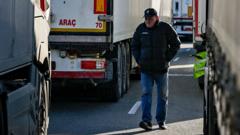
Seventeen years after joining the European Union, Romania and Bulgaria have finally secured approval to join the Schengen travel zone, set to take effect on January 1, 2025. This significant move allows residents of the two nations to travel through Europe without needing a passport, from France to Norway, marking an important milestone for their integration into the EU framework. European Commission President Ursula von der Leyen expressed the occasion as a "day of joy" for the 25 million inhabitants who can now feel more incorporated within the EU.Despite previous progress in eliminating passport checks for air and sea travel, the recent approval from Austria to end land border checks allows for much anticipated improved mobility. However, for truck drivers, the situation remains complicated, as Hungary continues inspecting vehicles at the key Romania-Hungary crossing at Nadlac for the next six months. Meanwhile, Bulgaria has initiated a toll system for trucks using a new electronic barrier crossing, charging €25 per truck.While 1985 saw the inception of the Schengen zone, which now encompasses most EU countries and a few non-EU nations, concerns over illegal migration prompted numerous temporary border checks that continue to affect transportation networks. Truck drivers crossing at Nadlac can experience prolonged waits, adding to logistical challenges.One driver, Ovidiu Dabija, is optimistic that these changes will streamline his trips. "Romania joining Schengen is going to save me hours at each border crossing," he stated, reflecting on the frustrations faced by drivers who often endure delays of up to five days at borders. The Romanian Road-Haulers' Association estimates that the transportation sector has incurred losses of approximately €19 billion from 2012 to 2023, attributed mainly to these delays and the resulting increases in costs passed on to consumers.Radu Dinescu, the Association's head, pointed to the inefficiencies at Romanian borders compared to those in other Schengen areas, where inspections are conducted in dedicated facilities rather than at the crossing points. He criticized previous Romanian governments for not implementing EU regulations designed to alleviate pressure at borders.Moreover, the ongoing need for thorough checks at borders can deter potential foreign investment, as seen when BMW opted for Hungary over Romania due to border delays. Nevertheless, some remain hopeful that cooperation between the countries will soon improve processes. Philip Cox, a wine exporter from Romania, expressed optimism about reducing border controls within six months, emphasizing that smoother procedures would enhance competitiveness in the European markets for Romanian products.In conclusion, while the opportunity for easier travel and trade is on the horizon for Romania and Bulgaria with their entry into the Schengen Zone, significant bureaucratic challenges remain, particularly for those in the transportation industry.


