In brief
China's recent approval of the world's largest hydropower dam in Tibet has ignited concerns about community displacement and environmental impacts, particularly for neighboring India and Bangladesh.
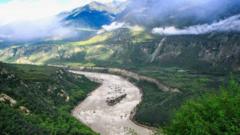
In a bold move, China has officially started the process for constructing what is set to become the world's largest hydropower dam along the Yarlung Tsangpo River in Tibet. This ambitious project is projected to generate three times the energy produced by the currently largest dam, the Three Gorges Dam. While Chinese state media touts the development as ecologically responsible and beneficial for local economic growth, critics warn of significant risks, including displacing indigenous communities and damaging fragile ecosystems.The dam's construction, which was first proposed back in late 2020, has raised alarms from human rights advocates and experts. Concerns run deep regarding its possible impact on local communities and the natural landscape of the Tibetan Plateau, a region known for its rich biodiversity. Historical context reveals a pattern of unrest in Tibet, where previous dam projects have fueled protests met with heavy-handed crackdowns by Chinese authorities. Recent accounts describe how, earlier this year, hundreds of Tibetans protested against another dam project. The protests culminated in arrests and allegations of violence against demonstrators, who opposed the Gangtuo Dam's plans to submerge their villages and sacred monasteries. Although the Beijing government claims it has compensated displaced families, the actual impact of the new Yarlung Tsangpo dam on local communities remains uncertain, echoing the earlier resettlement of 1.4 million people for the Three Gorges Dam.Engineering challenges add complexity to the project. The Yarlung Tsangpo flows through the world's deepest canyon and poses tremendous hurdles due to its steep topography and seismic activity. Experts have voiced concerns that this could lead to heightened landslide risks, jeopardizing the structural stability of the dam. The construction could cost approximately 1 trillion yuan (around $127 billion), making it one of China's most formidable engineering undertakings.Internationally, this development may shift power dynamics in the region. The dam could allow China to control critical river flow into India and Bangladesh, raising tensions in the already complex geopolitical landscape. In response to China's initiatives, India is reportedly considering its own dam project as a countermeasure to safeguard its water resources.As the debate over the Yarlung Tsangpo dam continues, the conflicting narratives reveal a broader struggle encompassing environmental stewardship, human rights, and strategic resources management.