
In brief
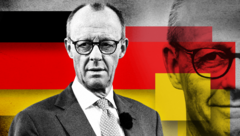
As the snap federal election approaches, Friedrich Merz, the leader of Germany's CDU, is balancing a risky political strategy by trying to tighten immigration rules with support from the far-right, raising questions about his ability to unite the party and gain wider appeal.
In the lead-up to Germany's upcoming snap federal elections, Friedrich Merz has emerged as a prominent figure in the conservative landscape, praised by supporters as an antidote to the continent's political uncertainties. With a long-standing history in the Christian Democratic Union (CDU), Merz’s path to potential leadership is marked by calculated risks that depart from the centrist approach championed by his predecessor, Angela Merkel.Merz’s recent attempts to tighten migration policies—albeit unsuccessful—sought backing from the far-right Alternative für Deutschland (AfD), challenging CDU’s traditional principles and igniting a fierce debate around his strategies. This daring maneuver is indicative of Merz’s tendency to challenge political boundaries and his commitment to regaining power for the CDU post-Chancellor Olaf Scholz’s recent government collapse.Hailing from a conservative Catholic family in Brilon, born in 1955, Merz’s political career has transformed dramatically since his early days in the Bundestag, where he struggled against Merkel for party leadership. While his initial charm as a youthful political aspirant appeared to fade, Merz rebounded from a corporate career to reclaim a pivotal role in CDU, positioning himself strategically ahead of the snap elections.As he engages with the electorate, Merz attempts to craft an image of foresight and stability in a traditionally reserved demeanor. His speech at Hotel de Rome in Berlin reflects a calm confidence, but observers note a disconnect with younger and female constituents, despite previous colleagues defending his character.While Merz's decisions have drawn ire—from failing to criminalize marital rape in earlier legislation to using AfD support for immigration policy—his strategy of engaging with right-wing voters has been both criticized and celebrated. Critics argue such tactics may further radicalize political discourse and alienate moderate constituents.Although he maintains that he would never govern with the AfD, Merz’s recent actions have instigated concerns about his ability to form coalitions post-election. The shifting dynamics within the party and among potential allies raise pressing questions as polls suggest a divided public opinion on his viability as a leader.With the election date drawing nearer, both the CDU ranks and European diplomats are closely monitoring his next steps, seeking clarity on whether he can indeed break free from the political stagnation that has embroiled Germany. Observers in Brussels are hopeful that Merz’s arrival might signal a revitalization within German governance, potentially reshaping the future of European politics.

