
In brief
A decade after its decline, nuclear energy is gaining traction as nations seek clean energy solutions.
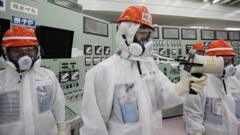
With the urgent need to address climate change and reduce carbon emissions, nuclear power is seeing a potential resurgence globally, particularly as major countries like the UK reinvest in new nuclear facilities. A decade ago, nuclear power appeared to be on a path toward inevitable decline, hindered by safety concerns, high costs, and debates over radioactive waste disposal. The aftermath of disasters such as Chernobyl in 1986 and Fukushima in 2011 led to significant pushback against nuclear energy, causing many nations to scale back their nuclear initiatives.However, recent developments indicate a renewed interest in nuclear power. Tech corporations such as Microsoft, Google, and Amazon are investing heavily in the sector, recognizing nuclear energy's potential to counteract rising energy demands and support the transition to greener energy solutions. As nations grapple with energy security issues, partially sparked by geopolitical events such as Russia's invasion of Ukraine, there is a pressing need for reliable and low-carbon energy sources.Countries like South Korea have changed their stance by halting plans to phase out nuclear plants while France aims to increase its nuclear capacity, planning the construction of up to eight new reactors. At the recent COP29 summit, the United States reiterated its goal to triple nuclear energy generation by 2050, joining an international coalition of 31 nations pledging similar commitments.Nuclear energy is not just supported by governments. The tech industry's voracious appetite for energy—with data centers projected to consume a significant portion of electricity—fuels the demand for nuclear-generated power. Notably, Microsoft announced a groundbreaking deal to restart the Three Mile Island power station, symbolizing a reversal in perceptions of nuclear energy as a clean and efficient resource, despite its controversial history.Innovative technologies, such as Small Modular Reactors (SMRs), are being developed to address concerns over the expense and complexity of traditional nuclear infrastructure. These smaller reactors are designed for faster assembly and can be built closer to energy consumption sites, although their commercial viability remains untested.Despite the optimistic outlook, opinions on nuclear energy remain deeply polarized. Proponents tout its potential to meet climate goals, while critics argue it remains one of the most expensive energy sources. Amid these debates lies a pressing challenge: the long-standing issue of radioactive waste management, with few countries having successfully implemented effective disposal solutions.Ultimately, the future of nuclear power hinges on addressing its historical challenges, including safety concerns and waste disposal. As nations contemplate a potential nuclear renaissance, the ability to reconcile these issues will be critical to shaping the future of global energy.
