This article contains descriptions of sexual abuse and violence which some readers may find distressing.
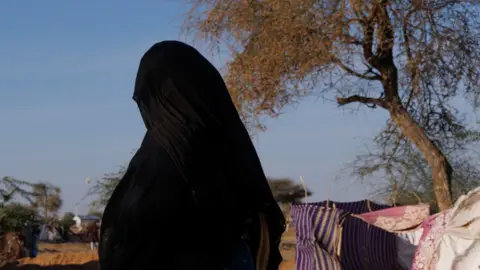
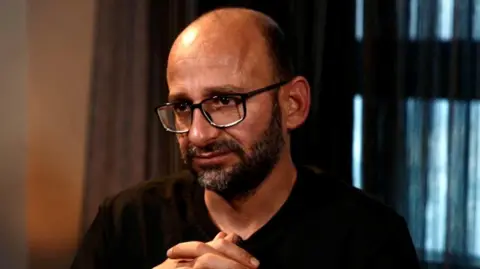
Two Palestinian men have told the BBC that they personally experienced the kind of beatings and sexual abuse highlighted in recent reports into the treatment of prisoners in Israeli detention.
The United Nations Committee against Torture stated last month that it was deeply concerned about reports indicating a de facto state policy of organised and widespread torture and ill treatment of Palestinian detainees in Israeli jails. The allegations, they noted, gravely intensified after Hamas-led attacks on Israel on October 7, 2023.
Israeli and Palestinian rights groups have described the abuse as systematic, and while Israel denies these allegations, they point out that the public outrage over the October attacks has fostered a culture of impunity for prison staff, especially towards those labeled as supporters of Hamas.
Last year, footage from an Israeli military prison surfaced, showing a Palestinian man allegedly abused, leading to significant uproar and political ramifications.
Sami al-Saei, a former detainee, reported experiencing severe sexual abuse by guards during his time in Megiddo prison. His testimony highlights a shocking pattern of violence that has reportedly become more frequent in recent months.
Another former detainee, identified only as Ahmed, detailed chilling accounts of both physical and sexual humiliation in detention. His stories illustrate the horrifying conditions faced by many Palestinians arrested under accusations related to terrorism.
Human rights organizations have gathered significant evidence indicating a dramatic escalation in torture tactics employed within Israeli prisons, stating that the treatment of Palestinians has effectively become state policy.
In response to these allegations, the Israel Prison Service has claimed adherence to the law while denying specific incidents.
In a climate of contentious political discourse, calls for accountability grow ever louder, as the stories of detainees shine a light on broader issues of human rights and governance in the region.