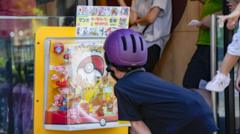
McDonald's Japan has taken action to pause an anticipated toy promotion featuring "One Piece", following widespread complaints tied to its previous Pokémon card giveaway, which took place earlier this month. This controversial promotion, intended to complement the popular "Happy Set" meals, resulted in excessive food waste as enthusiastic customers bulk-bought meals in hopes of securing rare cards.
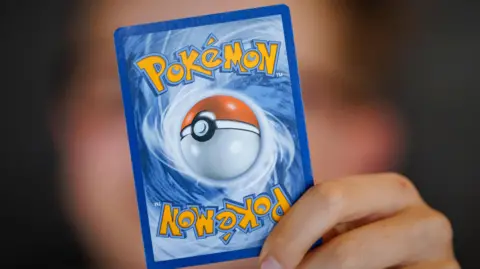
Complaints poured in as images circulated on social media, showing discarded bags of food accumulating on streets, while some of the limited-edition cards were quickly resold online for substantial profits. The chain expressed its discontent with these outcomes, admitting that many locations ran out of Pokémon cards within the first day of a three-day planned event.
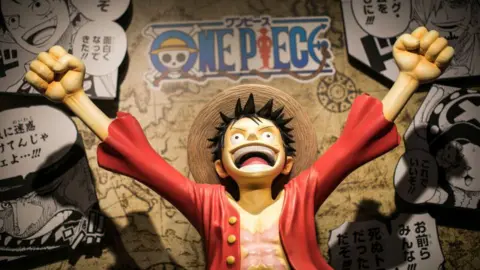
In response, McDonald's Japan issued a statement revealing that the "One Piece" promotion, set to commence on August 29, has been postponed to reevaluate its related initiatives. Instead of partnering with the popular manga series, customers will be given toys that were included in prior Happy Set meals.
Japan's Consumer Affairs Agency has intervened, urging McDonald's to modify its sales strategies and address the concerning issue of food waste. The long-standing series "One Piece", depicted through comics and an animated series since 1997, holds a vast following along with numerous merchandise opportunities.
Previously, McDonald’s encountered similar challenges during a collaboration with the "Chiikawa" manga series, prompting scrutiny over resales. Following the Pokémon controversy, the fast-food chain issued a public apology and committed to establishing measures to mitigate the recurrence of such complications. Notably, certain Pokémon cards, including the sought-after Pikachu edition, have been listed on auction sites with asking prices exceeding $33,000.
While tackling ongoing issues, McDonald's Japan revealed that it is re-evaluating its promotional approaches after witnessing significant instances of bulk buying aimed solely at resale, which led to congestion and food wastage within its outlets. They will also be introducing limits on how many Happy Set meals can be purchased at once.
As the fallout continues from this incident, discussions around consumer behavior and corporate responsibility in promotional events are becoming increasingly relevant in Japan.
Complaints poured in as images circulated on social media, showing discarded bags of food accumulating on streets, while some of the limited-edition cards were quickly resold online for substantial profits. The chain expressed its discontent with these outcomes, admitting that many locations ran out of Pokémon cards within the first day of a three-day planned event.
In response, McDonald's Japan issued a statement revealing that the "One Piece" promotion, set to commence on August 29, has been postponed to reevaluate its related initiatives. Instead of partnering with the popular manga series, customers will be given toys that were included in prior Happy Set meals.
Japan's Consumer Affairs Agency has intervened, urging McDonald's to modify its sales strategies and address the concerning issue of food waste. The long-standing series "One Piece", depicted through comics and an animated series since 1997, holds a vast following along with numerous merchandise opportunities.
Previously, McDonald’s encountered similar challenges during a collaboration with the "Chiikawa" manga series, prompting scrutiny over resales. Following the Pokémon controversy, the fast-food chain issued a public apology and committed to establishing measures to mitigate the recurrence of such complications. Notably, certain Pokémon cards, including the sought-after Pikachu edition, have been listed on auction sites with asking prices exceeding $33,000.
While tackling ongoing issues, McDonald's Japan revealed that it is re-evaluating its promotional approaches after witnessing significant instances of bulk buying aimed solely at resale, which led to congestion and food wastage within its outlets. They will also be introducing limits on how many Happy Set meals can be purchased at once.
As the fallout continues from this incident, discussions around consumer behavior and corporate responsibility in promotional events are becoming increasingly relevant in Japan.